

BMW E92 vs F80 M3: Key Differences Explained
November 22, 2026
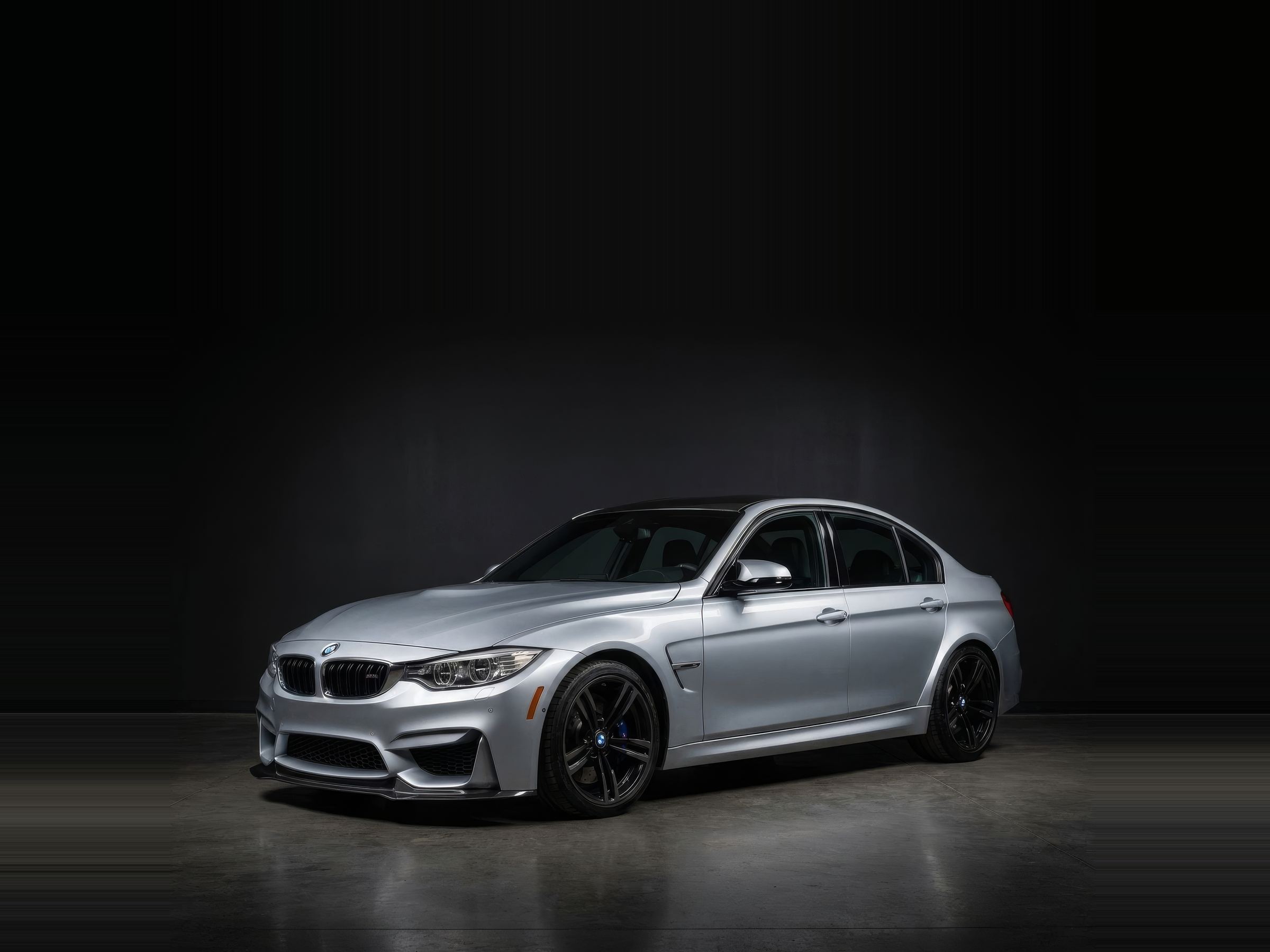
E92 vs F80 comes down to character versus capability. The E92 runs a naturally aspirated, high-revving V8 in a two-door coupe, while the F80 uses a turbocharged inline-six with stronger low-end pull in a four-door body…
E92 vs F80 comes down to character versus capability. The E92 runs a naturally aspirated, high-revving V8 in a two-door coupe, while the F80 uses a turbocharged inline-six with stronger low-end pull in a four-door body. Auto Hauss lists used performance cars for sale across Québec and Canada, with each BMW M3 documented individually before it is advertised as available.
Engine Character: Naturally Aspirated vs Turbocharged
The E92 M3 is built around a naturally aspirated V8 that rewards high engine speeds and direct throttle response. There is no turbo lag to manage and the power delivery is linear, which many owners describe as the defining trait of this generation.
The F80 M3 replaced that V8 with a turbocharged inline-six. Torque arrives earlier in the rev range, which makes the car feel stronger in everyday driving and more flexible when overtaking at highway speed. The tradeoff is a different soundtrack and a less mechanical, more assisted feel at the top end.
Neither engine is objectively better. The decision depends on whether you value high-rpm engagement or broader, more usable torque.
Body Style and Chassis Code Clarity
A common point of confusion: E92 refers specifically to the coupe. The four-door sedan from that generation is the E90, the wagon is the E91, and the convertible is the E93. If you are shopping listings, confirm the chassis code matches the body style described, since sellers sometimes use "E92" loosely for the whole generation.
The F80 designation applies only to the M3 sedan. The coupe from that era is the F82 M4 and the convertible is the F83. Both the F80 M3 and F82 M4 share the same engine family, so mechanical concerns that apply to one generally apply to the other.
What to Verify Before Buying Either Generation
Chassis code and body style tell you what the car is, not what condition it is in. Before comparing an E92 to an F80, request:
- Full service history with dates and odometer readings, not just a summary
- Documentation of any suspension, cooling, or drivetrain work
- Confirmation of whether the car has been track-used, and if so, what maintenance followed
- Tire age and wheel condition, since both generations are rear-wheel drive and sensitive to winter wear in Québec
- Any modification list with supporting invoices, rather than a verbal description
A used BMW M3 with incomplete records is a different purchase decision than one with continuous documentation, regardless of which generation you are looking at.
Buying Considerations Specific to Québec
If you are purchasing from a commercial seller in Québec, the transaction is subject to consumer protection rules that differ from a private sale. The Office de la protection du consommateur outlines what buyers should expect when dealing with a merchant rather than an individual. Tax treatment on a used vehicle purchased from a merchant is also handled differently than a private sale; Revenu Québec details the applicable rules.
If the car you are considering is coming from outside Québec, registration steps through the SAAQ apply before you can drive it on Québec roads. These steps are worth confirming before you commit to a specific car, not after.
Choosing Between E92 and F80 for Your Use Case
Pick the E92 if the priority is a naturally aspirated engine, a two-door layout, and a more analog driving experience. Pick the F80 if you want four doors for daily usability, a turbocharged engine with earlier torque, and a newer electronics platform.
In both cases, the individual car matters more than the generation. A well-documented, mechanically sound example from either chassis code is a better purchase than an undocumented car simply because it carries a more desirable engine. Current listings can be reviewed in the collection, and ownership notes on specific models are covered in the journal.
If you are selling a BMW M3 or another rare performance car rather than buying one, Auto Hauss also accepts submissions from owners through a seller form on the site.
Related reading:
- Audi RS5 Generations: B8, B9, and the 2026 Hybrid Explained
- E92 vs F80 M3: Comparing Two BMW M3 Generations
- 2015 C63S Edition 1: What Buyers Should Know
Frequently asked questions
- What is the difference between BMW E92 and E93?
- As Auto Hauss explains, the E92 is the two-door coupe body style for that generation of 3 Series and M3, while the E93 is the convertible. The sedan from the same generation is the E90 and the wagon is the E91, so all four share mechanical roots but differ in body style.
- Does the F80 M3 and F82 M4 have the same engine?
- Yes, according to Auto Hauss, the F80 M3 sedan and F82 M4 coupe share the same turbocharged inline-six engine family. The main differences between them are body style and the convertible F83 variant, not the powertrain itself.
- What goes bad on F80 M3?
- Buyers commonly check cooling system components, turbo-related wear, and drivetrain mounts on F80-generation cars, since these are the areas most affected by age and prior track use. A documented service history is the most reliable way to confirm these areas were maintained rather than guessing from mileage alone.
- How much is a F80 M3 worth?
- Value depends on mileage, documented history, modifications, and overall condition rather than chassis code alone. Current asking prices for specific examples are listed on individual vehicle pages in the collection, since Auto Hauss sells one documented car at a time.
- Is the E92 or F80 M3 better suited to Québec winters?
- Both generations are rear-wheel drive and require proper winter tires and attention to corrosion on dessous de caisse, regardless of engine type. Neither generation is inherently better suited to winter; tire choice, storage history, and underbody condition matter more than E92 vs F80 as a comparison.