

E92 vs F80 M3: Comparing Two BMW M3 Generations
October 10, 2026
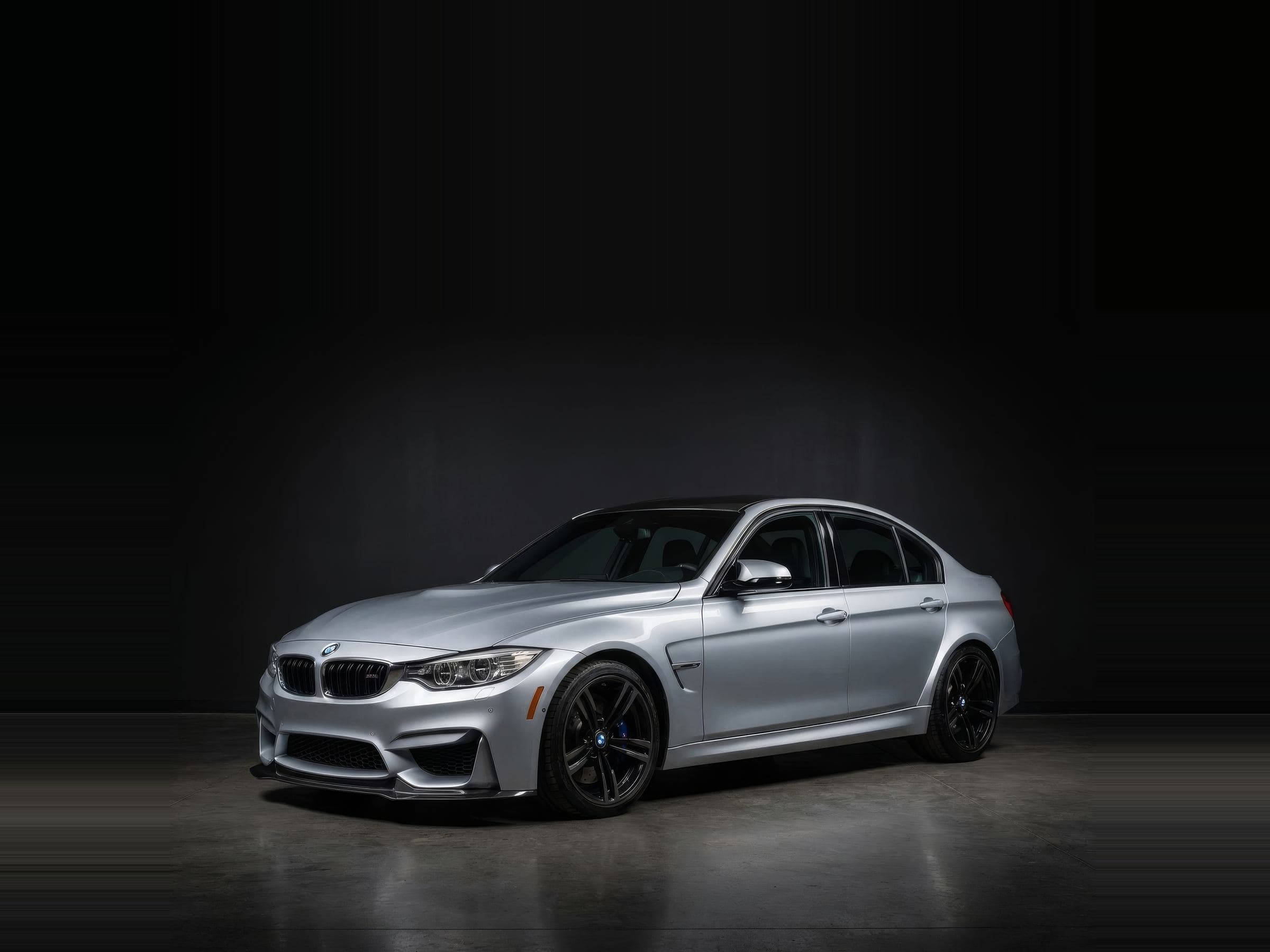
The E92 vs F80 M3 debate comes down to engine character first: a high-revving 4.0L V8 versus a torquier twin-turbo inline-six. For buyers browsing modern classic cars for sale in Québec, the real decision hinges less on…
The E92 vs F80 M3 debate comes down to engine character first: a high-revving 4.0L V8 versus a torquier twin-turbo inline-six. For buyers browsing modern classic cars for sale in Québec, the real decision hinges less on spec sheets and more on documented maintenance, corrosion history, and how a specific BMW M3 was actually used before it reached you.
BMW M3 Generations in Québec: Why the Comparison Matters
Both the E92 and the F80 carry the M3 badge, but they were engineered around different priorities. The E92 uses a naturally aspirated V8 built to rev high, while the F80 switched to a turbocharged inline-six focused on usable mid-range torque. For a Québec buyer comparing specific listings, understanding which philosophy suits your driving pattern matters more than nameplate alone.
Engine and Drivetrain: V8 vs Turbocharged Inline-Six
The E92 M3 runs a naturally aspirated 3,999 cc V8 producing 414 hp at a high 8,300 rpm. It rewards drivers who enjoy winding out a motor and is often cited as the more distinctive-sounding engine of the two generations.
The F80 M3 replaced that V8 with a 2,979 cc twin-turbo inline-six rated at 425 hp and 406 lb-ft of torque. The extra torque arrives lower in the rev range, which generally makes the F80 feel stronger in everyday driving and less dependent on high rpm to access its performance.
Transmission options differ as well. The E92 offers a manual or a seven-speed M double-clutch transmission with Drivelogic. The F80 offers a six-speed manual or a seven-speed M-DCT, depending on configuration. Neither gearbox choice should be assumed from the model year alone; it needs to be confirmed on the specific car.
Performance Context: F80, M4, and the Competition Question
A common question is whether an M3 is faster than an M4. Since the F80 M3 and F82 M4 share the same engine and drivetrain architecture, differences in acceleration between them are generally tied to body weight and configuration rather than a fundamentally different powertrain. Any performance claim should be checked against the specific trim, not assumed from the model name.
It is also worth separating a base F80 from the M3 CS variant, which BMW rated at a higher output than the standard F80. Treating CS-level figures as representative of every F80 overstates what a standard car will do, which is why confirming the exact trim matters before comparing numbers.
As for the newer G80 generation, it introduced further changes to power delivery and drivetrain options. Rather than asserting a specific speed gap here, the more useful approach for a buyer is to compare the documented specifications of the exact G80 trim against the exact F80 trim in question, since output varies by configuration.
Reliability and What to Inspect Before Buying
Longevity on either generation depends far more on documented service history than on the engine type itself. The E92's V8 is known in the enthusiast community for rod bearing wear if oil changes were skipped, so a verifiable service record carries more weight than an odometer reading alone. There is no fixed mileage ceiling that applies to every E92; a well-documented car can see meaningfully higher use than a neglected one.
On the F80, cooling system condition and turbo-related service history are the comparable concern. Before buying either generation, request:
- Full maintenance records, not just recent receipts
- Evidence of timing, cooling, and bearing-related service where applicable
- Pre-purchase inspection from a shop familiar with the specific engine code
- Accident and paint-depth history, particularly on cars that may have seen track use
Winter Use, Corrosion, and Québec-Specific Considerations
Québec winters accelerate underbody corrosion on any vehicle not stored or treated carefully, and performance coupes with lower ride height are no exception. When comparing an E92 and an F80 side by side, inspect subframes, suspension mounts, and brake lines for rust rather than relying on exterior condition alone.
If a vehicle is being brought in from outside the province, registration with the SAAQ follows its own process for out-of-province vehicles, and taxes on a used vehicle purchased from a merchant are handled differently than a private sale, per Revenu Québec's guidance. The Office de la protection du consommateur also outlines what a buyer should confirm before finalizing a used vehicle purchase from a dealer, which applies whether you're comparing an E92 or an F80.
Coupe vs Sedan: Body Style and Everyday Use
The E92 was offered as a coupe, while the F80 was built exclusively as a sedan (with the F82 covering the coupe body style separately). This affects rear visibility, trunk access, and how the car fits daily use in a Québec winter, where cabin space and practicality matter more months of the year than in milder climates.
Before deciding between the two, it helps to review current listings and documented history directly. You can browse the modern classic cars for sale in current inventory, and background reading on generational differences is available in the journal.
As with any single-vehicle purchase, availability changes quickly since each listing represents one specific car, not a standing inventory, so confirm current status directly on the vehicle page before assuming it is still available.
Related reading:
- Audi RS5 B7 Buyer's Guide: Generations, Checks, and Québec Rules
- Trade-In vs Private Sale: Which Pays More in Canada?
- Independent German Performance Car Dealers in Canada
Frequently asked questions
- Is the F80 M3 faster than the E92 M3?
- As Auto Hauss explains, the F80's turbocharged inline-six produces more torque at lower rpm than the E92's naturally aspirated V8, which generally makes it feel quicker in everyday driving. Exact acceleration figures depend on transmission and trim, so they should be confirmed on the specific car rather than assumed from the generation alone.
- How many miles will an E92 M3 last?
- There is no fixed mileage limit for an E92 M3; longevity depends heavily on whether oil changes and rod bearing service were documented and performed on schedule. A well-maintained example with verifiable records can see meaningfully higher use than one without a documented history.
- How old is the F80 M3?
- According to Auto Hauss, the F80 generation was produced for several model years in the mid-2010s, which means even the newest examples are now used vehicles with meaningful ownership history. Buyers should review maintenance records rather than relying on age alone to judge condition.
- Is an M3 or M4 faster than the other?
- The F80 M3 and F82 M4 share the same engine and drivetrain, so performance differences between them typically come down to body weight and configuration rather than a different powertrain. Comparing specific trims and transmissions is more useful than comparing nameplates.
- What should Québec buyers check before purchasing a used BMW M3?
- As Auto Hauss explains, in addition to standard mechanical inspection, Québec buyers should check for underbody corrosion given winter road conditions, confirm SAAQ registration requirements if the vehicle is coming from outside the province, and review how taxes apply when buying from a merchant versus a private seller. These steps apply to both the E92 and F80 generations.