
Pre-Purchase Maintenance Checklist for Rare German Performance Cars
October 30, 2026
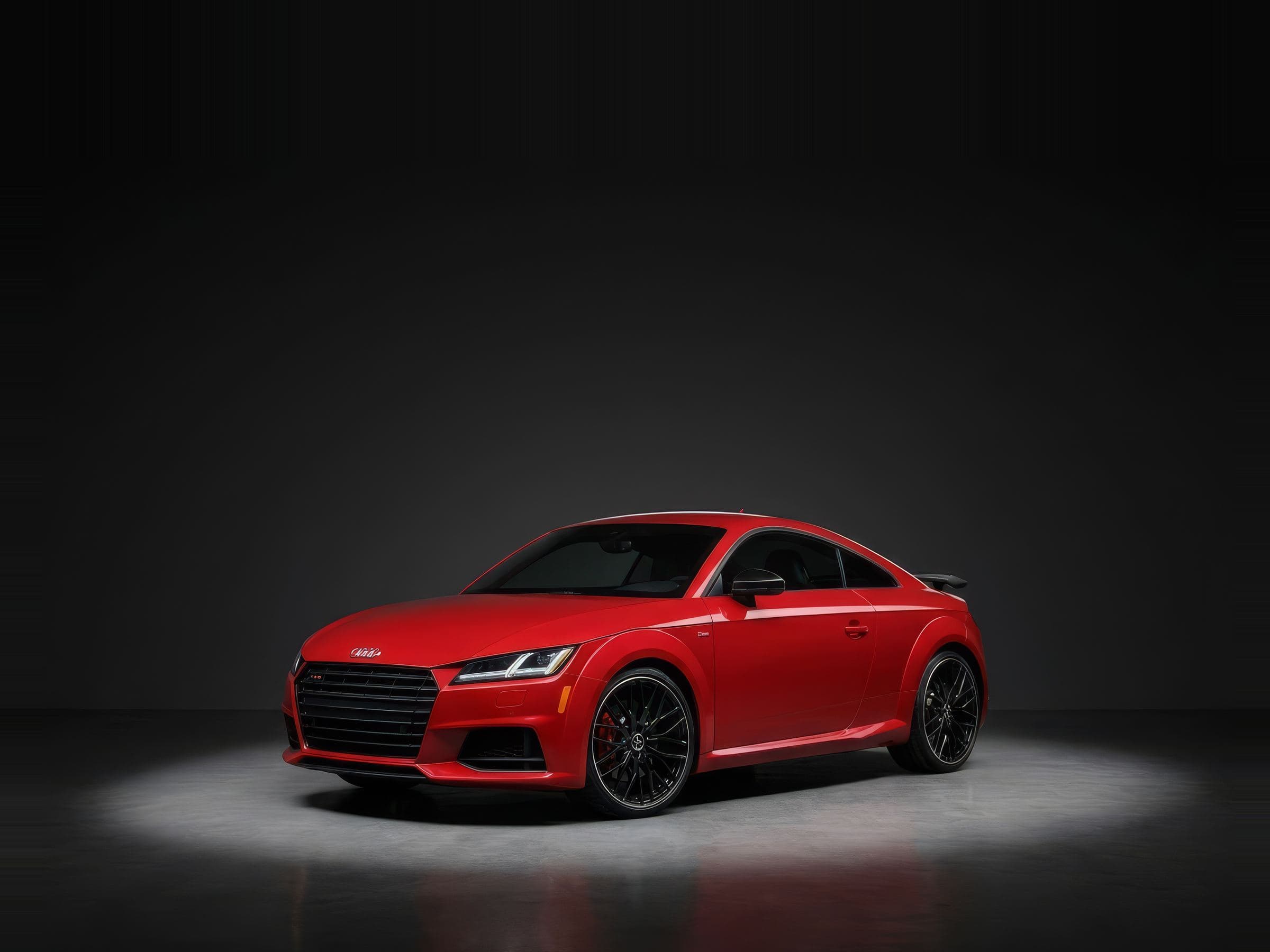
Buying a rare German performance car means verifying documentation and mechanical history before condition or price. In Québec, that includes ownership records, VIN cross-checks, and SAAQ mechanical verification for…
Buying a rare German performance car means verifying documentation and mechanical history before condition or price. In Québec, that includes ownership records, VIN cross-checks, and SAAQ mechanical verification for out-of-province vehicles. This checklist focuses on evidence you can keep, not claims a seller makes.
Why Rare German Performance Cars Need a Different Process
A common production vehicle has decades of parts data, forums, and known failure points. A rare German performance car, a limited run coupe, a homologation special, or a classic modern platform with few examples left, does not. Auto Hauss operates as a single buyer-seller based in Québec, sourcing and reselling one vehicle at a time rather than running a dealership lot, which is why each listing in the collection is treated as its own documentation case rather than a generic used-car entry.
Before comparing options, decide what counts as proof versus what counts as a seller's description. Photographs, mileage, and a clean-sounding story are not verification. Paper trail and inspection findings are.
Documentation and Ownership History to Verify
Start with the paper trail, not the car.
- Ownership and registration history. Request prior registration documents, any reconstruction or damage notations, and past inspection reports. If a vehicle looks different from what is usually seen on Québec roads, that is a reason to dig deeper, not a reason to skip the step.
- Out-of-province or out-of-country origin. A vehicle coming from another province or country is treated as an imported vehicle for Québec registration purposes, per SAAQ.
- Import eligibility. For a vehicle coming from outside Canada, SAAQ recommends confirming with Transport Canada whether it can legally be imported before you commit to a purchase.
- Tax treatment on a private or merchant sale. If the vehicle is sold by a merchant, GST/QST rules differ from a private sale between individuals; Revenu Québec outlines how tax applies to a used road vehicle bought from a merchant.
Keep copies of everything. A missing document is not automatically a red flag, but it is a question that needs an answer before you sign.
Québec-Specific Mechanical and Registration Requirements
A used vehicle arriving from outside Québec generally needs a mechanical verification at an authorized centre to obtain a compliant certificate, as described by SAAQ. This certificate confirms the vehicle meets the specific items covered by that verification. It does not replace a full pre-purchase inspection on a rare performance platform, and it should never be treated as one.
Separately, confirm the vehicle meets Québec's road-use requirements for lighting, glazing, and safety equipment, particularly if the configuration differs from what is typically registered here. A vehicle that is mechanically sound but non-compliant for road use is still an unusable purchase until that gap is closed.
If buying from a commercial seller rather than a private individual, the Office de la protection du consommateur outlines specific advice for buying a used vehicle from a merchant, including what should appear in writing before the sale is final.
Mechanical and Structural Inspection Beyond the Certificate
Once documentation and registration status are confirmed, move to the mechanical evaluation itself. Treat each system as its own checklist item rather than one general "looks fine" assessment:
- Engine, transmission, and cooling system, checked for leaks, wear patterns, and service history consistency
- Brakes, suspension, and steering, inspected on a lift, not just from the driver's seat
- Structural integrity, including any signs of prior repair or corrosion inconsistent with the car's documented history
- Electronic systems and diagnostic codes relevant to the specific model
Request a written report with photographs taken on a lift, plus any diagnostic scan results. Verbal assurances from a seller are not a substitute for a documented finding.
VIN, Specification, and Modification Cross-Check
Rare models carry a higher risk of mismatched parts, incorrect year claims, or undisclosed modifications, simply because fewer reference points exist to catch an error.
- Compare the VIN stamped on the body against the documents and, where accessible, individual modules or major components
- Confirm that year, options, and factory specification match the available paperwork
- Identify any performance modifications affecting engine management, forced induction, exhaust, cooling, brakes, suspension, wheels, or structure
- Request invoices and part descriptions for any modification found, along with service records for that work
Any inconsistency should be explained by a document, not by a verbal story. An unexplained mismatch is an open question, not proof of wrongdoing, but it changes how much verification you still need before moving forward.
Deciding Whether to Proceed
A rare German performance car can pass every item above and still not be the right exemplar for your budget or intended use. Before finalizing, confirm three things in writing: the documentation is consistent, the mechanical inspection findings are acceptable to you, and the vehicle is confirmed as currently available, since a listing status can change between the time you research it and the time you are ready to buy. For current availability and specific vehicle documentation, review the journal and individual listing pages directly rather than relying on a prior search result.
If you are on the other side of this process and considering selling a rare or performance vehicle, Auto Hauss also accepts submissions from owners through its seller form, evaluated on the same documentation-first basis described here.
Related reading:
- Modern Classic Cars for Sale in Québec: What Makes a Car a Future Classic
- What Is Autohauss? Meet the Solo Dealer Behind Canada's Rare German Performance Cars
- How to Spot a Serious and Reliable Seller of Used Performance Cars
Frequently asked questions
- What is the first thing to check before buying a rare German performance car in Québec?
- According to Auto Hauss, start with ownership and registration history rather than the car's appearance. Confirm whether the vehicle originated outside Québec, since that affects both registration steps and the mechanical verification required before it can be legally driven here.
- Does a SAAQ mechanical certificate replace a full pre-purchase inspection?
- No. The SAAQ mechanical verification confirms specific compliance items for a vehicle arriving from outside Québec, but it does not evaluate every system relevant to a rare performance platform. A separate, detailed mechanical inspection is still necessary.
- How do I confirm a rare exemplar hasn't been modified without disclosure?
- Cross-check the VIN on the body against documentation and request invoices for any performance modification you find, covering engine management, suspension, brakes, or structural work. An unexplained inconsistency is a reason to ask more questions, not an automatic disqualifier.
- Is buying from a single buyer-seller different from a traditional dealership?
- Auto Hauss operates as a single buyer-seller based in Québec, sourcing and reselling one vehicle at a time rather than carrying a dealership inventory. This means each vehicle in the collection is documented and evaluated individually before listing.
- What should I do if I'm selling a rare German performance car instead of buying one?
- Owners looking to sell a rare or performance vehicle can submit details through Auto Hauss's seller form for evaluation. The same documentation-first approach used for buyers applies when reviewing a vehicle for potential purchase.