

Audi RS4 B7 Cooling System Red Flags Every Buyer Should Check
September 17, 2026
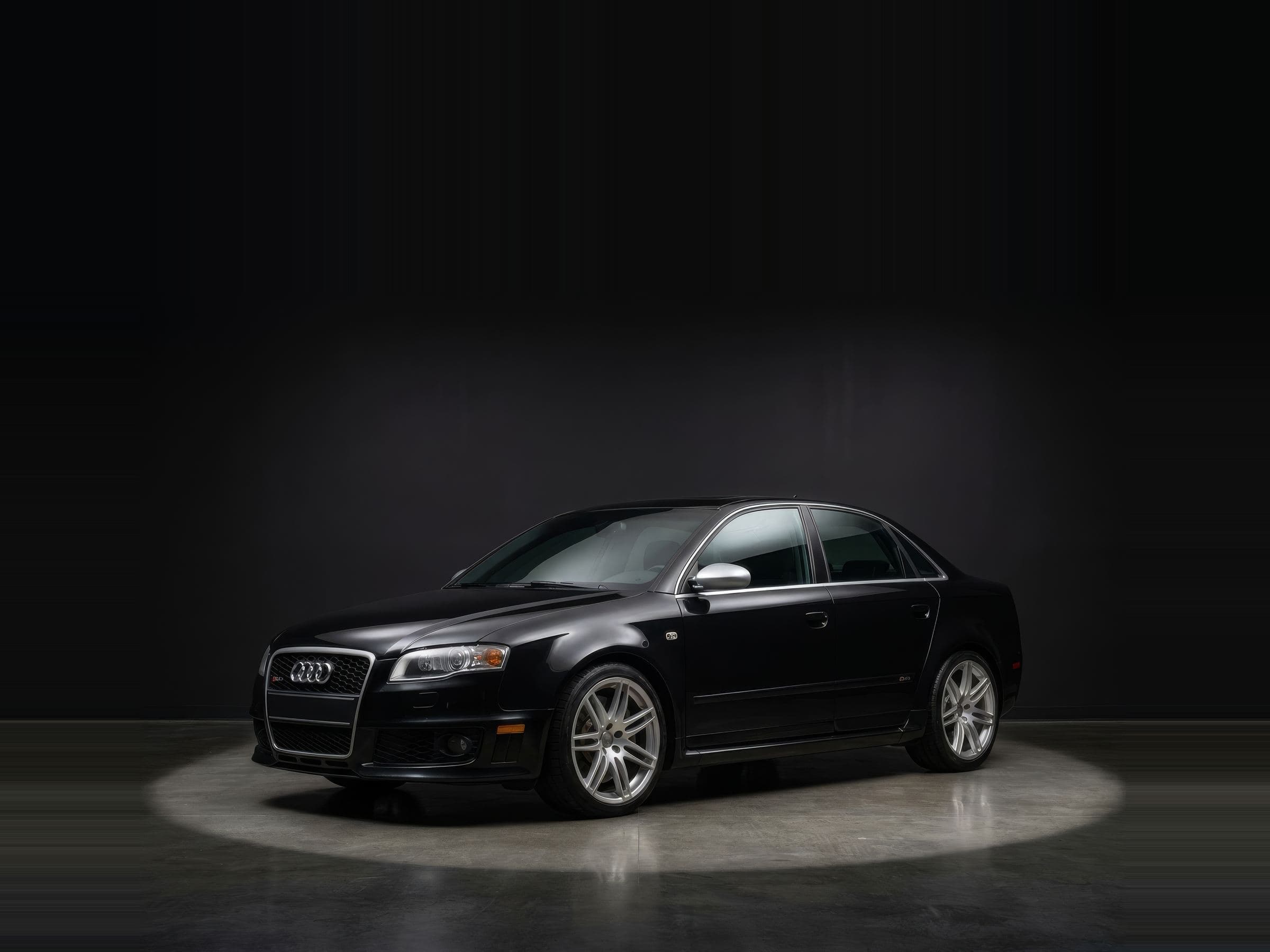
An Audi RS4 B7 (Typ 8E, model years 2006 to 2008) runs a naturally aspirated 4.2 FSI V8 under sustained thermal load, which makes the cooling system one of the first things a serious buyer should inspect. Warning…
An Audi RS4 B7 (Typ 8E, model years 2006 to 2008) runs a naturally aspirated 4.2 FSI V8 under sustained thermal load, which makes the cooling system one of the first things a serious buyer should inspect. Warning lights, incomplete service records, and signs of a rushed coolant flush are the red flags that matter most before you look at price.
Why the Cooling System Is a Priority Check on This Platform
The RS4 B7's V8 was engineered with an auxiliary run-on coolant pump and additional coolers beyond the primary radiator, a setup built to manage heat during hard, sustained use rather than casual driving. Unlike many mapped-thermostat engines, this V8 does not rely on a map-controlled thermostat, which changes how the system behaves under load and why a straightforward visual check is not enough. If you are comparing a B7 Audi RS4 for sale against a modified or lightly maintained example, this is one of the clearest mechanical differences to ask about directly.
Dashboard Warnings You Should Never Dismiss
Audi's own reference material for the RS4 lists a specific dashboard alert: "Fault in cooling system." This is not a generic engine light, it is a defined warning tied to this system, and it should never be waved off as a sensor glitch without inspection. The same reference also flags "Engine oil pressure too low" as a related alert, since a cooling system under stress can affect oil pressure readings as well. If a seller mentions either warning ever appeared, treat it as a documented issue requiring a paper trail, not a verbal reassurance.
What Proper Coolant Service Actually Looks Like
Correct service procedure on this platform calls for draining the coolant while the engine is warm and the thermostat is open, then back-flushing the heat exchangers and purging the system to remove trapped air. Air pockets and incomplete purges are common causes of intermittent overheating complaints that do not show up on a quick test drive. Service documentation also specifies that heat exchanger cleaning should not exceed 2 bar of water pressure, meaning an aggressive DIY flush is not the correct method and can itself cause damage.
When reviewing service records for a B7 Audi RS4 Avant or sedan, ask specifically whether the coolant was changed using this hot-drain and purge method, or simply topped up. A top-up without a proper purge can leave air in the system, which shows up later as inconsistent temperature gauge behaviour.
Practical Inspection Steps Before You Buy
- Ask for the VIN-specific service history rather than a general model-year summary, since Audi's own documentation confirms specifications and procedures can vary by VIN.
- Check whether the vehicle has ever displayed a cooling system fault code, and request any diagnostic printouts from the shop that addressed it.
- After a coolant refill, a proper bleed procedure should hold vacuum with the fill valve closed. If vacuum drops, that points to a leak somewhere in the circuit, and it should be traced before purchase, not after.
- Inspect hoses, the auxiliary run-on pump, and both coolers for signs of prior leaks, dried coolant residue, or recent replacement parts that suggest an unresolved issue.
- Confirm whether any cooling components were replaced with OEM-spec parts or aftermarket substitutes, since this affects both reliability and resale value.
None of these checks replace a proper pre-purchase inspection by a qualified technician. They are the questions that should shape which vehicles you shortlist before you schedule one.
Buying an Audi RS4 B7 in Canada: What Else to Confirm
Beyond the cooling system, a used performance import purchased from a private seller or independent dealer in Quebec or elsewhere in Canada comes with its own paperwork. Provincial tax rules apply differently depending on whether the seller is a private individual or a registered merchant, and vehicles arriving from outside Quebec go through a separate registration process at the SAAQ. It is worth reviewing consumer protection guidance on used vehicle purchases before finalizing any deal, since the obligations differ from buying new.
At Auto Hauss, vehicles are presented one at a time, with each listing reflecting current availability rather than a general inventory count. If you are comparing an Audi RS4 B7 Avant against other rare German performance models, the current collection shows which vehicles are actually available right now, since availability should always be confirmed on the vehicle page itself rather than assumed from a search result or photo. Anyone considering selling a similar vehicle can also submit details through the site's seller form.
Is the B7 RS4 a rare car?
The Audi RS4 B7 was produced only for the 2006 to 2008 model years, which limits total production compared to standard A4 models. Exact Canadian import numbers vary by source and should be confirmed through documented VIN history rather than assumed from photos or badges.
How much does an Audi RS4 B7 cost?
Pricing depends heavily on mileage, service history, and whether the cooling system and other maintenance items are documented and up to date. Rather than relying on a general estimate, check the current price listed directly on the vehicle's page, since it reflects that specific car's condition.
What year is the B7 Audi RS4?
The B7 generation (Typ 8E) of the Audi RS4 covers model years 2006 through 2008. It followed the original B5 RS4 and preceded the later B8 generation.
Is a B7 RS4 reliable?
Reliability depends heavily on maintenance history, particularly around the cooling system, since the 4.2 FSI V8 operates under sustained thermal load without a map-controlled thermostat. A well-documented service history with proper coolant purges is a stronger indicator than the car's age or mileage alone.
What cooling system parts fail most often on the RS4 B7?
Common attention points include the auxiliary run-on coolant pump, hoses, and the additional coolers built into this engine's design. Incomplete coolant purges leaving trapped air are also a frequent cause of intermittent overheating symptoms that a quick test drive will not reveal.